
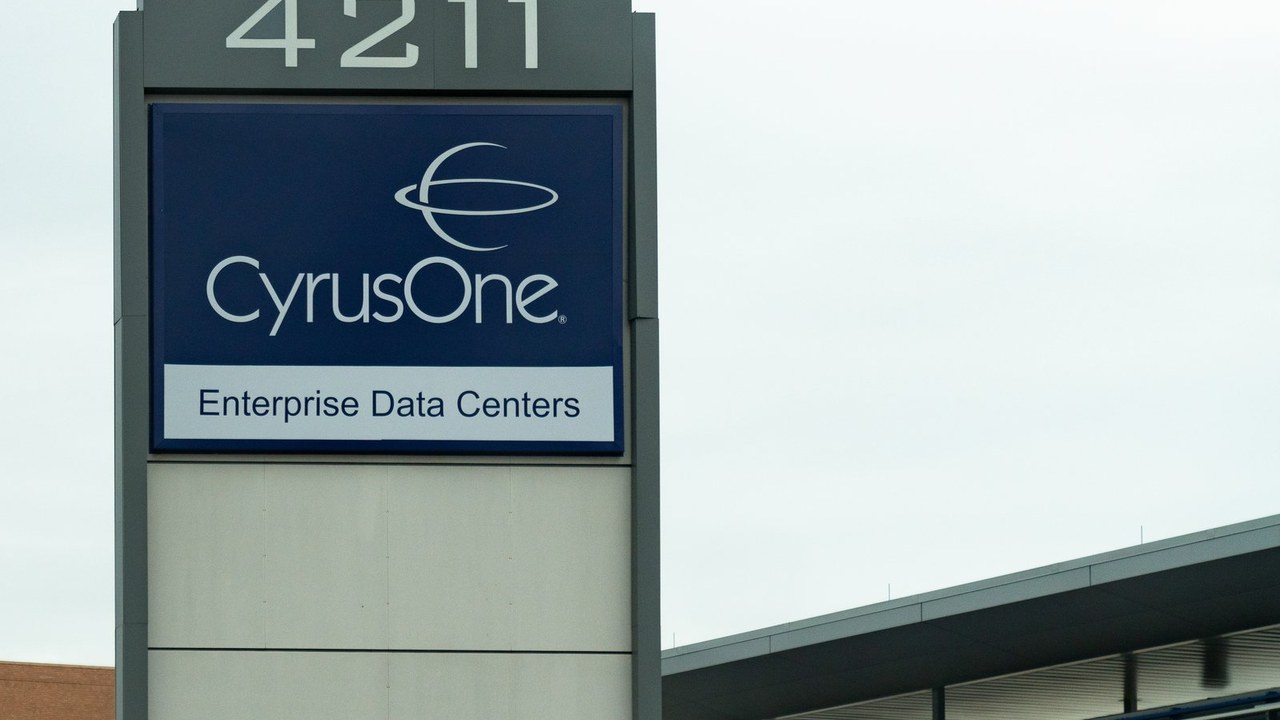
Drive the highways outside Dallas, San Antonio, or Abilene and you will pass them: vast, windowless buildings the size of several football fields, ringed by transformers and humming with cooling fans. They are data centers, the warehouses of the cloud, and Texas has become one of the most sought-after places on earth to build them. A single campus can cost hundreds of millions of dollars. When it opens, it may employ only a few dozen people.
Texas helps lure those facilities with generous tax breaks. This piece looks at how the state’s data-center incentives work, what they cost Texas taxpayers, and why the jobs payoff has been so thin, drawing on the state’s own program rules, the Texas Comptroller’s cost estimates, and outside research into what data centers actually deliver for local employment.
What Texas is giving away
The main incentive is a sales-tax exemption written into Texas Tax Code Section 151.359, administered by the Texas Comptroller. A facility the Comptroller certifies as a qualifying data center can buy the servers, cooling systems, backup generators, and electricity it needs without paying state sales tax. The exemption lasts 10 years for facilities meeting one capital-investment threshold and 15 years for larger ones.
To qualify, an operator must create at least 20 permanent jobs in the county where the data center sits, not counting positions moved from another Texas county. That is the entire employment requirement: 20 jobs, in exchange for a decade or more of sales-tax-free purchasing on facilities that often cost hundreds of millions of dollars to build and stock. The statute’s focus is on the capital investment and the equipment that qualifies, not on a robust hiring commitment.
What the breaks cost Texas
The cost to the state has grown into one of the largest of any tax break in Texas. A report from the watchdog group Good Jobs First, Cloudy with a Loss of Spending Control, examined data-center subsidies across the states and estimated that the Texas data-center sales-tax exemption was losing the state on the order of $1 billion in fiscal year 2025. That places it among the most expensive subsidy programs for any industry in any state.
Because the exemption is claimed at the point of sale rather than awarded as an upfront grant, the fiscal cost is absorbed quietly as revenue the state never collects. There is no annual line item that a taxpayer can easily find, which makes the true running total harder for the public to track than a program with a published budget. Good Jobs First maintains a broader picture of state subsidies in its Texas subsidy data.
The jobs that do not materialize
Data centers are, by design, capital-intensive and labor-light. A manufacturing plant needs workers across multiple shifts. A modern data center is built around automation, remote monitoring, and redundancy. The servers do the work; people intervene mainly when something breaks or needs upgrading. Once the racks are loaded and the cooling is calibrated, the building largely runs itself.
Independent research backs up what local officials in data-center corridors have long suspected. A 2024 analysis from the Brookings Institution, led by senior fellow Mark Muro, linked data-center locations to county-level Bureau of Labor Statistics employment and wage records and compared them against similar counties without data centers. The conclusion was blunt: data centers produce far fewer permanent jobs than other industrial investments of comparable dollar value, and in many cases the arrival of a large facility produced no statistically significant increase in local employment at all. Brookings has published its findings on data-center employment effects through its research program.
The study’s reliance on payroll records, rather than company press releases, gives it more weight than promotional claims. A data center that costs $500 million to build may employ hundreds of construction workers during the build-out, but the permanent staff is typically small and specialized: a handful of engineers, security personnel, and maintenance technicians.
How Texas got here: Chapter 313 and its successor
The data-center exemption is only one piece of a larger Texas history of trading tax breaks for corporate investment. For years the marquee program was Chapter 313, which let school districts abate property taxes for big projects. The Legislature let Chapter 313 expire at the end of 2022 amid criticism of its ballooning cost and its frequent waivers of job requirements, a history documented by the Texas Tribune.
In its place, lawmakers passed the Jobs, Energy, Technology and Innovation Act, or JETI, effective at the start of 2024. The Texas Comptroller’s Fiscal Notes describes JETI as adding more oversight, real job and salary requirements, and, notably, removing the ability to waive job creation that had been common under Chapter 313. JETI was a response to exactly the criticism leveled at the older program: that Texas was giving away too much for too few jobs.
The other cost: power and water
The tax break is only part of what a data center draws from the public. These facilities are extraordinarily power-hungry, consuming as much electricity as a small city, and they run that load around the clock. On a grid like Texas’s, managed by ERCOT, surging data-center demand competes with homes and businesses for the same supply and can put upward pressure on what everyone pays. The state’s grid operator publishes load forecasts through ERCOT, and data-center growth has become a major driver of projected demand.
Water is the quieter cost. Many large data centers use significant volumes of water for cooling, a real concern in a state that periodically faces drought and where some fast-growing regions already strain their water supplies. Neither the power draw nor the water use shows up in the headline subsidy figure, but both are public resources that the facilities consume heavily while employing very few people. For residents weighing whether a nearby data center is a good deal, those strains on the grid and the water table belong in the ledger alongside the foregone tax revenue.
The bill is already getting bigger, not smaller
Every dollar of sales tax a data center does not pay is a dollar the state does not collect, which has to be made up somewhere or matched by spending cuts. In a state with no income tax, sales and property taxes carry the load, which means ordinary Texans, paying full sales tax at the register and rising property taxes on their homes, are effectively shouldering a system that exempts these facilities from a tax everyone else pays.
And the trajectory argues against this being a temporary cost. The Texas Comptroller’s own estimates, cited in a 2026 Texas Senate interim charge and tracked by Good Jobs First’s follow-up analysis, put the exemption’s cost at roughly $1.3 billion for fiscal year 2026, up from about $1 billion the year before, with the state’s own projections running toward $1.6 billion in fiscal 2027 and higher after that. A break that cost the state $14.6 million in the 2014-15 budget cycle is now projected in the billions per year within this decade, a trajectory that outpaces the job creation the statute requires by a wide margin.
The questions worth asking, the same ones Good Jobs First and Brookings urge local officials to ask, are straightforward. Does the incentive include enforceable, verifiable job minimums beyond the bare 20-position threshold? Does the state publish project-level employment results so residents can see whether the deals delivered? And how does the cost per permanent job for a data center compare to subsidies for manufacturing or logistics, which employ far more people per dollar invested? For now, the servers keep humming on the Texas plains, drawing public power and claiming a tax break that is growing faster than the jobs count behind it. Whether that trade is worth it is no longer a hypothetical. It is a policy choice the state is making, and re-making at a larger dollar figure, in real time.
This article was produced with AI assistance and reviewed by a human editor. Figures are linked to their primary sources; where a claim could not be verified from the public record, we say so.